
Screed Drying Time
Understanding screed drying time, whether you’re a contractor, builder or homeowner can be what helps turn your projects around to be more successful. Learning about this crucial element can make a massive difference to your work and leave you with a final result you’ll be proud of.
What is the importance of understanding screen drying time
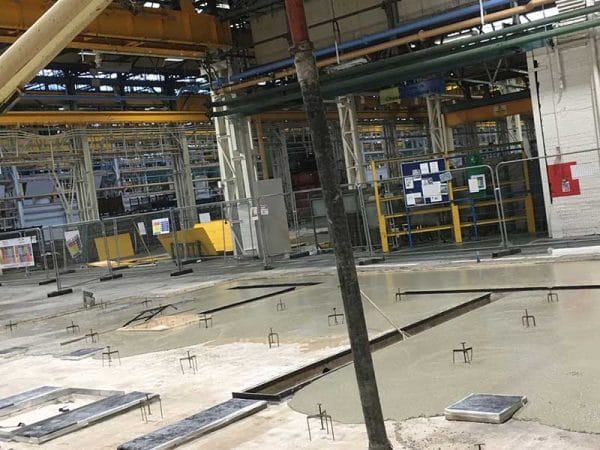
Industrial floor screeds are a crucial component in constructing robust and durable flooring systems for commercial and industrial spaces. These specialized materials, typically made of cement, are applied directly to the concrete subfloor. The primary purpose of an industrial floor screed is to create a smooth, level, and highly durable surface, providing a solid foundation for various flooring finishes.
Unlike standard concrete, industrial floor screeds are meticulously prepared and laid to achieve a superior level of flatness and smoothness. They offer several key benefits that make them indispensable in industrial and commercial settings.
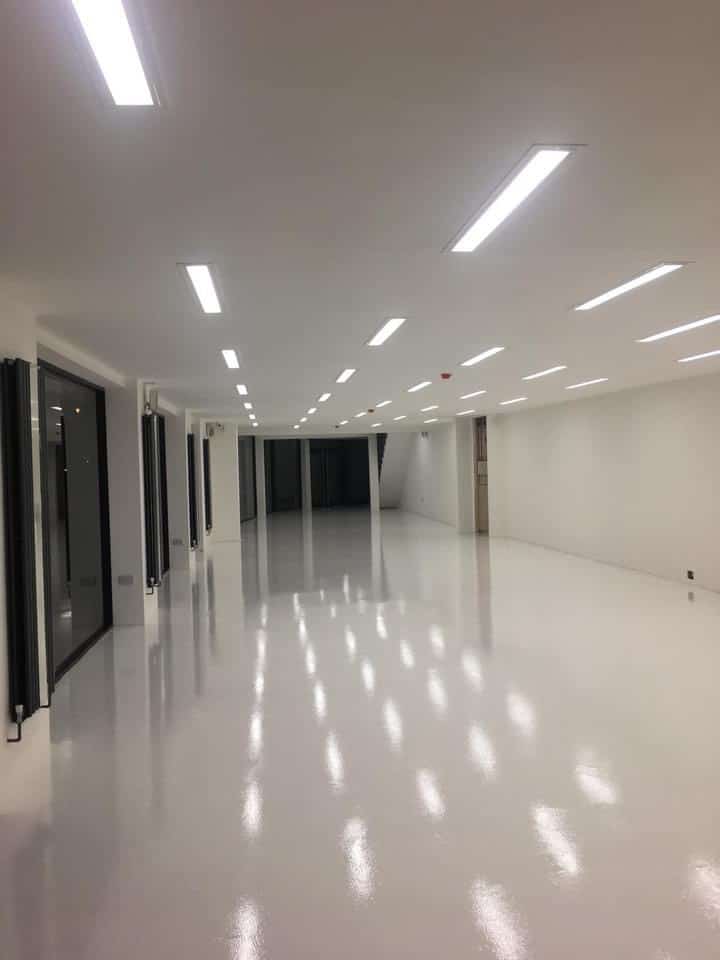
The crucial component in flooring construction, the screed, requires special consideration during the drying process. Following the most effective screed drying time doesn’t just shorten the time it takes to complete the job it also:
- Prevents Cracks: Sufficient screed drying time reduces the possibility of cracks compromising the flooring's structural integrity. Drying too quickly might cause shrinkage, which can result in unattractive and troublesome cracks.
- Attaining Even Surfaces: A completely level surface is acquired after an effective screed drying time. An uneven base could be the consequence of partial or uneven drying, which would then cause unevenness in the finished flooring material.
- Improves Adhesion: Proper adhesion between the screed and the ensuing layers is made possible by adequate screed drying time, which guarantees a solid bond. Insufficient drying could impede the adherence, causing the flooring material to flake or come away.
What Factors Affect Screed Drying Time?
Understanding the factors that affect screed drying time helps manage and control the drying process effectively, ensuring a successful flooring installation with optimal drying times and quality outcomes. Some of these factors include:
The surrounding environment
- Temperature: The drying process normally proceeds more quickly in warmer climates, but it can also be considerably slowed down in colder ones.
- Humidity: Since moisture evaporates more quickly at lower humidity levels, drying times are accelerated. Excessive humidity can make drying take longer.
- External elements: rain, direct sunlight, or harsh weather conditions can have a substantial impact on drying times and may require process changes.
Screed Density:
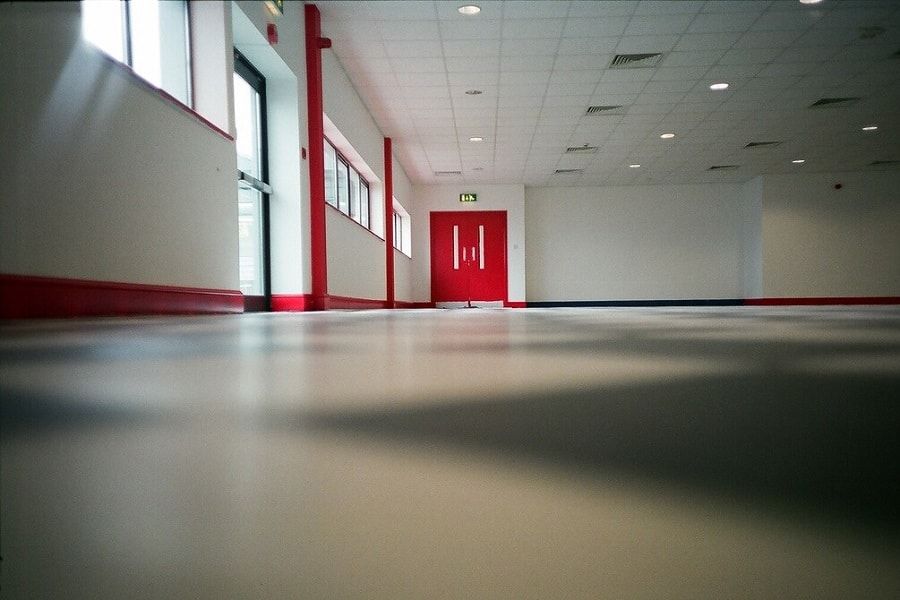
In comparison to thinner layers, having a thicker density causes the screed drying time to increase. The amount of time needed for moisture to escape the screed's surface and between its layers depends directly on its depth.
Accelerators and Additives:
To hasten the drying process, several accelerators and additives can be included with the screed. They must be used following manufacturer instructions, though, as their efficacy varies depending on several conditions.
These are just a few examples of factors that can influence the screed drying time. To discover other frequently asked questions around screed:
Are there ways to increase the screed drying time?
By combining these methods and customising them to the particular needs of the project, it is possible to drastically cut down on screed drying time without sacrificing quality or guaranteeing a successful flooring installation.
- Low-Water Content Blend: Select a screed mix that has less water. A drier mixture causes the moisture to evaporate more quickly, hastening the screed drying time.
- Managed Setting: Manage humidity and temperature to keep the atmosphere under control. To generate the proper drying conditions, this might be accomplished by temporarily enclosing the area or sealing it off.
- The use of forced ventilation: By accelerating air circulation and evaporation, fans and dehumidifiers can hasten the drying process of the screed. In places that are small or have little ventilation, this technique is especially helpful.
By combining these methods and customising them to the particular needs of the project, it is possible to drastically cut down on screed drying time without sacrificing quality or guaranteeing a successful flooring installation.
- Low-Water Content Blend: Select a screed mix that has less water. A drier mixture causes the moisture to evaporate more quickly, hastening the screed drying time.
- Managed Setting: Manage humidity and temperature to keep the atmosphere under control. To generate the proper drying conditions, this might be accomplished by temporarily enclosing the area or sealing it off.
- The use of forced ventilation: By accelerating air circulation and evaporation, fans and dehumidifiers can hasten the drying process of the screed. In places that are small or have little ventilation, this technique is especially helpful.
How long is screed drying time usually?
The screed drying time will depend on the kind you select or need. The majority of screeds are typically suitable for walking on after 48 hours at most, although others can be walked on in a day or, with additional additives, in just 12 hours.
Although it is advised to wait 28 days before putting furniture on a screed, if absolutely required, flooring and certain furniture can be put on the screed after just 7 days.
It's crucial to remember that the screed may still contain moisture in its lower layers even though it may seem dry on the surface. As a result, it's crucial to do moisture testing before laying flooring materials to make sure the screed has sufficiently dried following manufacturer and industry guidelines.
If you want to learn more or have any questions about screed drying time contact us today:
Contact Form
Address: Unit 2 Ranton Park, Martindale, Hawks Green, Cannock, Staffordshire, WS11 7XL
Email: info@gmfloorscreeds.com
Landline: 01543 572 177